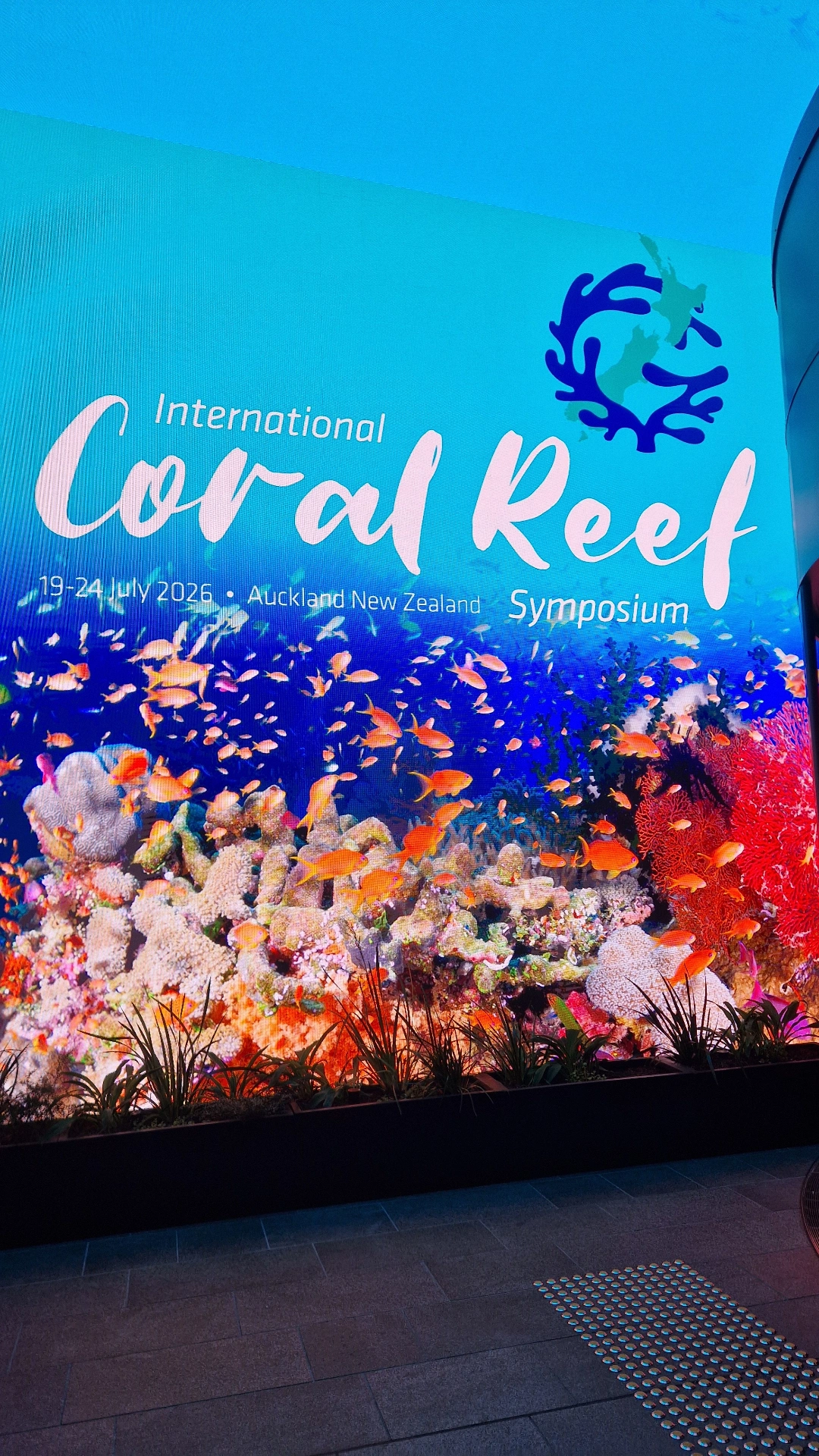
Located in the heart of the South-West Pacific, New Caledonia is home to one of the world’s largest lagoon systems. However, this coral reef ecosystem is facing increasing pressures, including ocean warming, more frequent marine heatwaves, coral bleaching and a growing abundance of dead substrates. These changes may promote the colonisation of macroalgae, which in turn provide a favourable habitat for potentially toxic benthic microalgae.
An issue at the intersection of human health and ecosystem conservation
Among these microalgae, the genus Gambierdiscus is known to produce ciguatoxins, which are responsible for ciguatera poisoning. This foodborne illness, caused by the consumption of contaminated fish, is one of the most widespread non-infectious marine poisonings in tropical regions.
In the context of climate change, the dynamics of Gambierdiscus may change, including their distribution, abundance, genetic diversity and ability to produce toxins. These changes represent a potential risk to human health, coral reef ecosystems and communities that depend on lagoon resources.
Understanding the effects of temperature variability
The study aims to determine how thermal variations, whether sudden or gradual, influence the genetic diversity, chemical diversity and toxin production of Gambierdiscus in New Caledonia.
During her presentation at the symposium, the researcher focused in particular on data collected in Lifou. This focus highlighted locally observed variations and demonstrated the importance of regular monitoring across the Loyalty Islands and within different lagoon environments.
From field sampling to advanced analyses
Monthly sampling is conducted at several sites across the lagoon using two complementary devices:
Artificial substrates
Pieces of window-screen material are submerged to collect benthic dinoflagellates present in the environment.
SPATT samplers
Solid Phase Adsorption Toxin Tracking devices are used to capture dissolved toxins present in the water.
The samples are then studied using molecular analyses, including qPCR and environmental DNA, to characterise genetic diversity and population dynamics.
High-performance chemical analyses, particularly LC-HRMS/MS, are used to identify and quantify toxins and to investigate potential biomarkers.
Expected outcomes for improved risk anticipation
- Improve understanding of the seasonal dynamics of ciguatera in the lagoon and how they change during marine heatwaves.
- Establish a reference culture collection of benthic microalgae from New Caledonia.
- Identify factors associated with toxin production and potential new biomarkers.
- Explore the possibility of better identifying, and potentially anticipating, coral reef areas facing an increased risk.
A truly multidisciplinary approach
By combining ecology, molecular biology and analytical chemistry, this research is fully aligned with the symposium theme dedicated to harmful cyanobacteria and microalgae on coral reefs, including the factors driving their development, their dynamics and their ecological impacts.
Key takeaway
By documenting the links between temperature, the presence of Gambierdiscus and ciguatoxin production, MaHeWa is helping to strengthen the knowledge required to monitor marine heatwaves, assess ciguatera risk and support the adaptation of Pacific Island territories.